Fire suppression systems are an essential part of protecting people, property, equipment, and business operations. However, even a properly designed system may not perform as intended if it is not inspected, tested, and maintained on a consistent schedule.
For facilities in the Greater Houston area, fire suppression systems maintenance should be treated as an ongoing responsibility, not a one-time installation task. Regular service helps identify developing problems, supports compliance with applicable codes and standards, and provides confidence that your system is ready when it is needed.
At Wilson Fire Equipment, we design, install, inspect, monitor, and service integrated fire and life safety systems. Since 1916, our family-owned company has helped protect people and property with custom-designed, cost-effective solutions for commercial, industrial, healthcare, and educational facilities.
Use these five steps to establish a reliable maintenance schedule for your facility.
1. Identify Every Suppression System and Protected Area
The first step in effective fire suppression systems maintenance is understanding exactly what your facility has and what each system protects.
Different hazards require different suppression technologies. A commercial office may use a clean agent system in a server room, while a manufacturing facility may require CO2, dry chemical, or water mist protection for specialized equipment. A hospital may need suppression for critical electrical or communications spaces. A school or university may use kitchen hood systems, portable extinguishers, and other fire protection equipment throughout the campus.
Your system inventory should identify:
- Protected rooms and hazard areas
- System type and suppression agent
- Cylinder or container locations
- Control panels and releasing devices
- Detection equipment
- Piping, hoses, and discharge nozzles
- Manual release and abort stations
- Kitchen hood systems
- Portable fire extinguishers
- Inspection, testing, and service history
Wilson Fire Equipment provides several suppression options, including:
- FM-200 clean agent suppression
- ECARO-25 clean agent suppression
- Novec 1230 clean agent suppression
- Water mist systems
- CO2 total flood systems, including high- and low-pressure applications
- Dry chemical suppression systems
- Kitchen hood suppression systems
- Portable extinguishers
A complete inventory helps your facility team and service provider create a schedule based on the specific risks, equipment, and operating conditions in your building. Review Wilson Fire Equipment’s commercial fire suppression systems to learn more about available system options.
2. Establish a Schedule Based on Local Requirements
The second step is setting inspection and maintenance intervals that meet local requirements and manufacturer recommendations.
In Houston, clean agent systems must be inspected and tested at least every six months by a licensed fire protection equipment company, in accordance with applicable requirements, NFPA 2001, and manufacturer guidelines. Other fire suppression systems may have their own inspection, testing, and maintenance requirements based on the system type and application.
Your schedule should include:
- Semiannual clean agent system inspections
- Annual comprehensive system reviews
- Manufacturer-recommended service intervals
- Post-installation inspections when applicable
- Cylinder and agent service milestones
- Hydrostatic testing requirements
- Follow-up inspections after repairs or system impairments
- Routine visual checks by facility personnel
Facility staff may perform limited visual observations between professional inspections. These checks can include confirming that the system is accessible, the control panel shows normal status, equipment is not visibly damaged, and discharge nozzles are not obstructed.
However, visual checks do not replace professional inspection and testing. A qualified technician must evaluate the system’s operating condition, pressure, components, documentation, and readiness.
The schedule should also account for the needs of your specific market. Industrial facilities may need additional coordination around production schedules and hazardous processes. Healthcare facilities may require careful planning to avoid disruption to patient care. Schools and universities may need inspections scheduled around class calendars and campus activities. Commercial buildings may need service coordinated with tenants and building management.
A reliable schedule is tailored to your facility, not copied from another building.
3. Inspect the Components That Make the System Work
The third step is establishing a consistent inspection process for the components that affect system performance.
A professional technician will examine the system for visible damage, loss of pressure, corrosion, leaks, obstructions, and other conditions that could prevent proper operation. For clean agent systems, common failure points include:
- Canister corrosion
- Agent leaks
- Depressurization
- Damaged hoses
- Damaged or obstructed nozzles
- Valve or actuator problems
- Piping damage
- Unsealed room penetrations
- Control panel trouble signals
- Detection or releasing device failures
The inspection should also verify that the system remains appropriate for the protected area. Changes to the room layout, equipment, ceiling height, ventilation, doors, walls, or electrical systems may affect how a suppression system operates.
For example, adding equipment to a data room may obstruct a discharge nozzle. Remodeling a protected room may create new openings that affect enclosure integrity. Changes to a commercial kitchen may require adjustments to hood suppression coverage. Expanding an industrial process may introduce new hazards that require a system review.
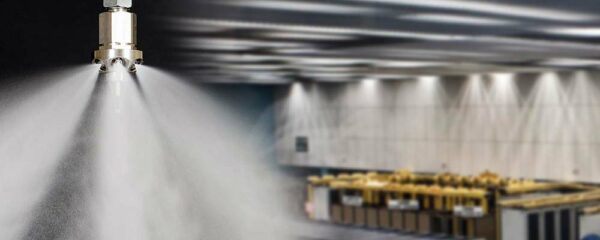
Different suppression systems require different inspection considerations. Clean agents are often selected for sensitive equipment because they do not leave residue. Water mist systems can provide effective suppression with reduced water usage in certain applications. CO2 systems may protect specialized industrial hazards, while dry chemical systems can address particular equipment and process risks.
Kitchen hood systems require attention to detection components, nozzles, fusible links, agent cylinders, piping, and cooking equipment changes. Portable extinguishers also need routine inspection, proper placement, clear access, correct type, and timely servicing.
A complete maintenance program evaluates the entire fire protection environment, not just one cylinder or control panel.
4. Coordinate Fire Suppression With Other Life Safety Systems
The fourth step is coordinating suppression maintenance with the rest of your facility’s fire and life safety systems.
A suppression system may operate alongside fire alarm systems, smoke detection, emergency power, monitoring, access control, ventilation controls, and other building systems. These systems must communicate correctly so your facility receives notification and responds appropriately during an emergency.
For example, a suppression system may need to:
- Send a signal to the fire alarm control panel
- Notify a supervising station
- Shut down equipment or ventilation
- Release doors or adjust access control
- Activate visual and audible notification
- Signal a building management system
- Initiate emergency procedures
Testing these interfaces helps identify problems that may not be visible during a basic equipment inspection. It also helps confirm that alarms, signals, monitoring, and related controls operate as intended.
Wilson Fire Equipment offers integrated fire and life safety solutions for commercial, industrial, healthcare, and educational facilities. Our commercial fire systems can be designed to coordinate fire detection, notification, and suppression according to the needs of your facility.
A coordinated service visit can also help reduce disruptions. Instead of managing separate vendors for fire alarms, suppression, kitchen hood systems, and extinguishers, you can work with one experienced provider for more complete system care.
Our life safety system inspection and maintenance services include inspection, testing, maintenance, and repair for critical systems. Even if another company originally designed or installed your equipment, our qualified team can help you maintain service continuity and compliance.
5. Document Service and Correct Deficiencies Promptly
The fifth step is creating a clear documentation and correction process.
Houston requirements call for licensed professionals to document fire suppression system service. Documentation typically includes the service date, inspector’s name, suppression agent type, container weight, and container pressure at the time of inspection. A service tag should also be completed and placed where it can be reviewed without interfering with system operation.
Your facility records should include:
- System location and identification
- Date of inspection or service
- Technician and service company information
- Agent type and container details
- Pressure and weight readings
- Tests performed
- Deficiencies identified
- Repairs or adjustments completed
- Parts replaced
- Recommended follow-up
- Next inspection due date
Documentation gives facility managers, safety directors, property owners, and inspectors a clear record of system condition. It also helps identify recurring issues. For example, repeated low-pressure readings, corrosion, or damaged hoses may indicate environmental or operational conditions that require additional attention.
Deficiencies should be addressed promptly. A system with a damaged hose, obstructed nozzle, loss of pressure, or control panel trouble signal may not provide the protection your facility needs. Your service provider should explain the issue, recommend the appropriate correction, and complete follow-up testing after repairs.
Wilson Fire Equipment can help your team organize inspection records and maintain a dependable service history. Our technicians are committed to quality, accurate reporting, and reliable system performance.
Build a Long-Term Maintenance Partnership
Fire suppression systems maintenance is most effective when it is planned, documented, and supported by an experienced service provider. A reliable program helps you stay informed about system condition, reduce avoidable failures, and support the protection of people and property.
Wilson Fire Equipment has protected people and property since 1916. As a family-owned and operated company, we provide custom-designed fire, security, and life safety solutions for facilities throughout Greater Houston and beyond.
We can help you:
- Evaluate existing suppression systems
- Design new systems
- Install and commission equipment
- Inspect and test suppression systems
- Service kitchen hood systems and extinguishers
- Monitor integrated life safety systems
- Repair deficiencies
- Maintain compliance documentation
- Coordinate fire, security, and life safety services
From clean agent systems to water mist, CO2, dry chemical, kitchen hood systems, and portable extinguishers, our team provides one source for comprehensive fire protection.
Your facility deserves dependable protection and clear service support. Schedule a service visit with Wilson Fire Equipment to review your fire suppression systems maintenance needs and establish a reliable inspection schedule.
SEO Details
- Yoast SEO title tag: Fire Suppression Systems Maintenance: 5 Reliable Steps
- Meta description: Learn five steps for reliable fire suppression systems maintenance in Greater Houston, including inspections, documentation, testing, and service.
- Focus keyword: fire suppression systems maintenance